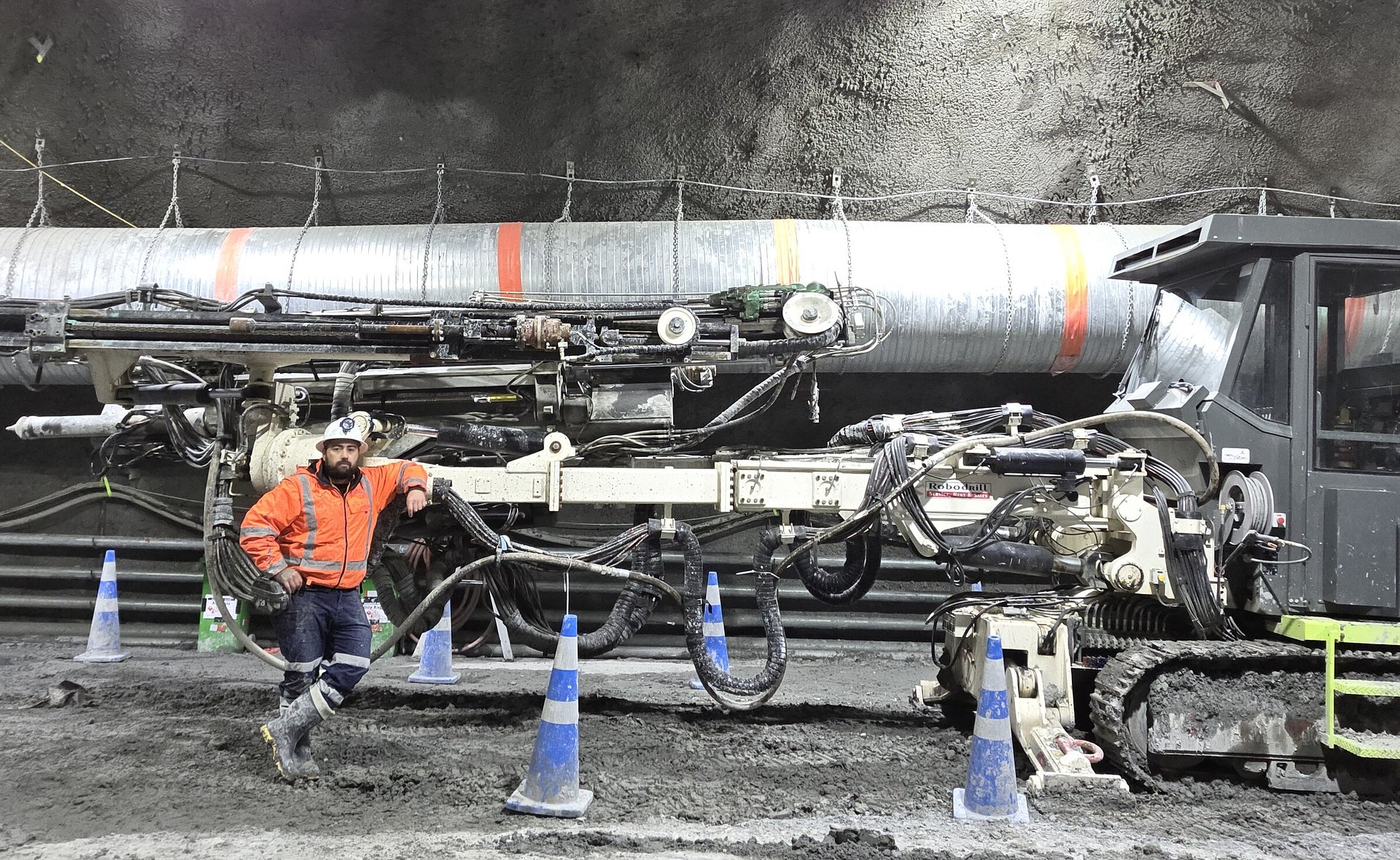
A Year Ago, We Had the Workers. Now They’re On Their Way Out.
In 2023, construction was booming. Auckland was a hive of activity, infrastructure projects were in full swing, and there were plenty of skilled workers to get the job done. Fast forward to now, and it’s a different story.
The work has dried up, and so have the workers. Good, experienced people—hammer hands, chippies, operators, and concreters—are packing up and heading overseas. Can you blame them? There’s no point sitting around waiting when there’s better opportunities offshore.
But here’s the real issue: when the pipeline opens again (and it will), who’s going to be left to build these projects?
A Familiar Cycle We Haven’t Fixed
This isn’t the first time we’ve seen this happen. COVID gave us a harsh lesson—when borders shut, and we couldn’t bring in overseas workers, the industry ground to a halt. NZ had no choice but to rely on the local workforce, and suddenly, the gaps in our skilled labour became very obvious.
We asked ourselves back then: why aren’t we upskilling our locals so we’re not caught short when the mahi returns?
We built Ascon with this in mind—to grow, train, and back local workers so we don’t have to look overseas every time there’s a boom. But now, with work slowing down, those same workers are leaving again. We’re back in the same cycle, and if we don’t start thinking long-term, we’ll be in the exact same position when the next wave of projects comes through—desperate for skilled people we didn’t bother to retain.
The Real Backbone of the Industry
Big contracts and heavy machinery don’t build roads, bridges, and tunnels—people do (well they operate them anyway). And not just any people. The ones who show up every day, go hundy, and know how to run a site properly. The ones who understand that getting the job is about working smart, working safe, and working together.
Right now, NZ is losing those people.
Skills don’t appear overnight. You can’t just pull a competent machine operator, experienced carpenter, or solid site leader out of thin air. It takes years to build that level of capability, and if we keep letting our skilled workforce go, we’ll be forced to fill the gaps with under-experienced workers when the industry picks back up. That means delays, safety risks, and blown budgets—problems we could avoid if we invested in keeping our people here.
What Needs to Change?
At Ascon, we’ve always backed our people. We know that when you invest in the right teams, they deliver. The challenge now is keeping them here.
So what’s the solution?
Long-term industry planning – We need to stop reacting to booms and busts and start planning for long-term workforce sustainability. If we know big projects are coming, why aren’t we working now to ensure we have the people to do them?
Stronger investment in training and retention – Upskilling our local workforce should be the first priority. If we build from within, we won’t have to rely on overseas recruitment every time the work picks up.
Commitment from the industry – Contractors, government bodies, and major infrastructure players need to take responsibility. If we want to retain skilled workers, we need to create stability, even in the quieter periods. That means investing in training, providing clear career pathways, and ensuring that workers see a future for themselves in Aotearoa.
If we don’t change the way we approach workforce planning, we’re going to keep making the same mistakes. The pipeline will open again—but if we’re not careful, we’ll be left scrambling, just like we were during COVID.
So, what do you reckon? Are we holding onto enough skilled people, or are we setting ourselves up for another shortage when the mahi comes back?